In facade applications, fire safety is an essential part of the design and material selection process. The European fire classification according to EN 13501-1 specifies how materials react to fire, smoke, and dripping.
The B-s3-d0 classification consists of three parts:
B – Fire Behavior:
The material contributes very little to the spread of fire. Only A1 and A2 (non-combustible materials such as stone or metal) score higher.s3 – Smoke emission:
Indicates the amount of smoke produced.
s1 = low smoke, s2 = moderate, s3 = higher smoke, but still within the European standard.d0 – Droplet formation:
Describes whether burning particles are released.
d0 means: no droplet formation, and therefore no risk of the fire spreading further.
In short: B-s3-d0 is a highly fire-resistant material suitable for facade applications where limited fire spread and high safety requirements are desired.
When is fire class B-s3-d0 required?
The required fire rating for exterior siding is determined by:
The height of the building
The purpose (residence, office, school, etc.)
The structure of the facade (e.g., ventilated systems)
In the Netherlands (according to the Building Code and the BBL), the following guidelines apply:
| Building Height | Minimum fire rating for exterior cladding |
|---|---|
| ≤ 13 meters | Class C or D |
| 13–30 meters | Class B-s3-d0 |
| > 30 meters | Class A2-s1-d0 or higher |
In other words: for medium-rise buildings (such as apartment buildings, schools, or offices), B-s3-d0 is the required standard.
This class is also often mandatory for ventilated facade systems, because the air cavity can affect fire behavior.
How is the fire rating determined?
The European standard EN 13501-1 specifies specific tests for determining the fire class. The most important of these is the SBI (Single Burning Item) test, in which a facade material is exposed to a controlled flame source.
This test measures the following:
How quickly the material ignites
Heat Release Rate (HRR)
Smoke Growth Rate
The formation of burning droplets or particles
Based on these measurements, the material is classified into the appropriate class (A1 through F, with s and d subclasses).
What are END-Use fire tests—and why are they important?
The standard SBI test is performed on material samples in a laboratory setting. In practice, however, a facade consists of a complete system, including the substructure, ventilation cavity, fasteners, and insulation.
That is why some manufacturers also conduct END-Use fire tests —tests that evaluate the entire facade structure under realistic conditions.
These tests provide a much more reliable picture of a facade’s actual fire behavior in real-world conditions.
They are conducted in accordance with the EN 13501-1 standard, but using the complete system as it is installed on the construction site.
The benefits of end-use fire testing:
Realistic evaluation of material combinations
Better Prediction of Actual Fire Safety
Increased confidence among architects, contractors, and regulatory agencies
RIWOOD: Unique in Fire Safety Thanks to End-Use Certification
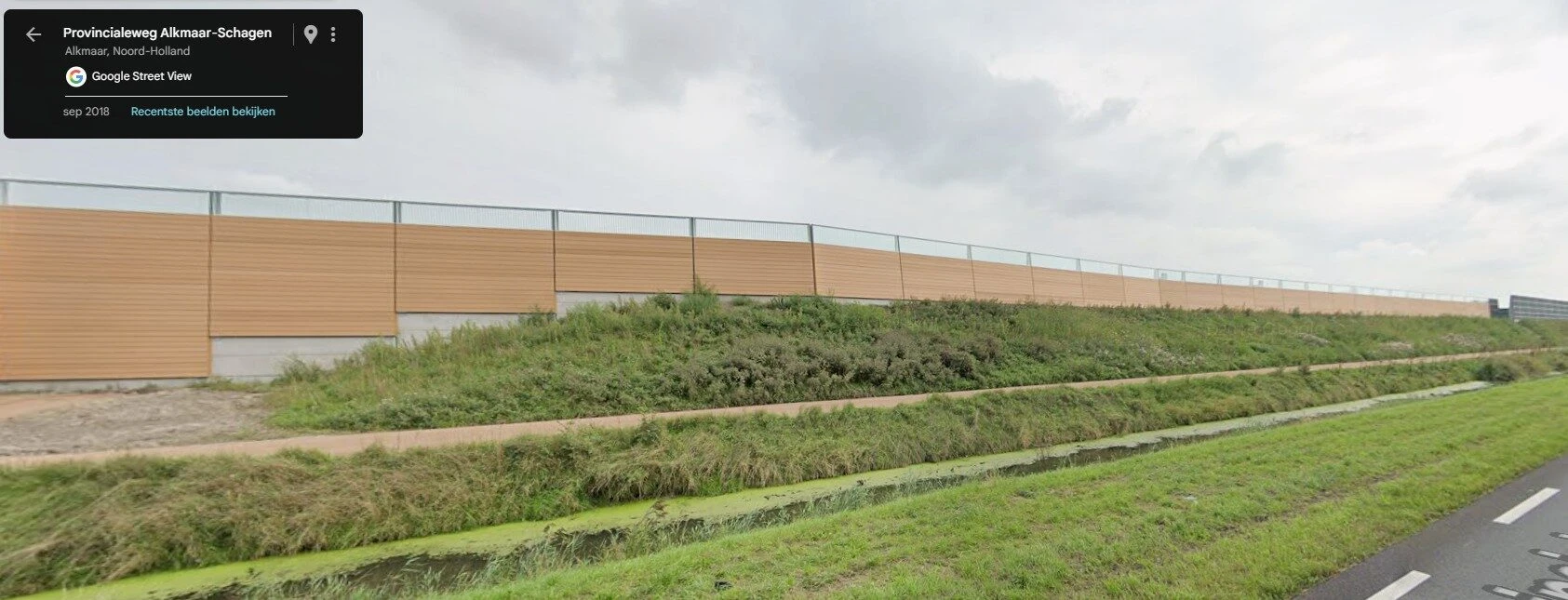
The RIWOOD siding from Fiberplast has been tested by ITB in Warsaw, Poland, in an end-use scenario and certified as fire class B-s3-d0 in accordance with EN 13501-1. Thanks to these extensive tests, RIWOOD—unique in the market—has been awarded official end-use fire test certificates.
This means that not only the material itself, but the entire facade system (including the substructure and fasteners) must demonstrably comply with the B-s3-d0 standard.
To the best of our knowledge, RIWOOD is the only composite facade material in Europe that holds this end-use certification. This makes it a pioneer in the field of safe and sustainable facade solutions.
The benefits of RIWOOD at a glance:
✅ Certified according to EN 13501-1: B-s3-d0
✅ End-use tested: complete facade assembly evaluated
✅ No burning droplets or droplet formation (d0)
✅ Sustainable and biobased – made from renewable raw materials
✅ Long service life and low maintenance
Conclusion
Fire class B-s3-d0 is an important safety standard for facade applications in modern construction. It offers an optimal balance between safety, design flexibility, and sustainability. We hope we have clearly explained Fire Class B-s3-d0 and what it means for facade applications. If you have any further questions, please feel free to contact us.
With its unique combination of biobased composition, sustainability, and end-use fire-test certification, RIWOOD by Fiberplast offers one of the safest and most reliable composite facade systems on the market.
A smart choice for anyone who wants to combine aesthetics, safety, and sustainability in the facades of tomorrow.
Fiberplast Group conceives, develops, manufactures, and supplies circular building materials for future-proof construction.
Our sustainable materials have been used for nearly 20 years in the circular construction of (fire-resistant) facades, decking, patios, roof walkways, and foundations. Our products are always made entirely from renewable or recycled raw materials. The composites are partially or almost entirely biobased, and the rubber products are always made from recycled rubber.
By purchasing our products, you’re always helping to reduce waste and prevent deforestation. All of our products have a long service life, are reusable, and are 100% recyclable!